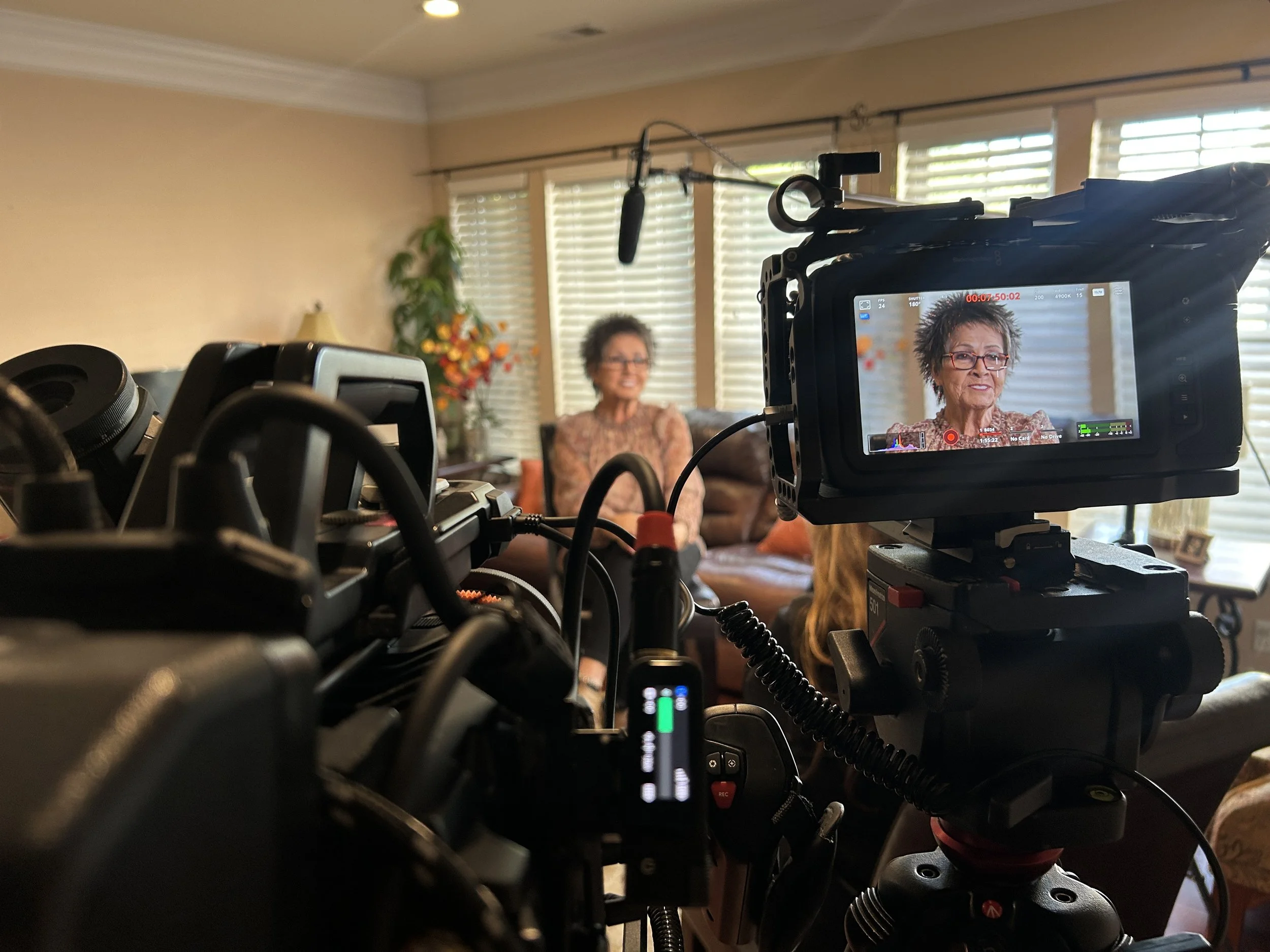
One man vs Small crew
I recently worked as a camera assistant on a KFC Instagram reel for their “Say No to Turkey!” campaign. It’s kind of wild to think that there are now full production crews for something as simple as a social reel—but here we are. Compared to my usual day-to-day in commercial production, this shoot was surprisingly involved, with somewhere between 10 and 15 people on set to produce what would ultimately be a 30-second reel, likely to be buried under newer KFC posts within a few weeks.
Growing up in filmmaking, I’ve always found myself pushing against traditional industry processes. I’ve consistently aimed to achieve the best possible quality with the fewest resources—something I still strongly believe in as technology continues to simplify content creation. Over the years, I’ve watched Hollywood resist every major shift: from film to digital, movie theaters to streaming, and now large, crew-driven productions versus AI-assisted, prompt-based workflows.
I’ve been called naive—and worse—for some of my views on AI and modern computing tools by people in the industry, but from my experience, it’s clear that every dominant new technology reshapes the landscape. To me, AI is doing exactly that—on a scale we’ve never seen before.
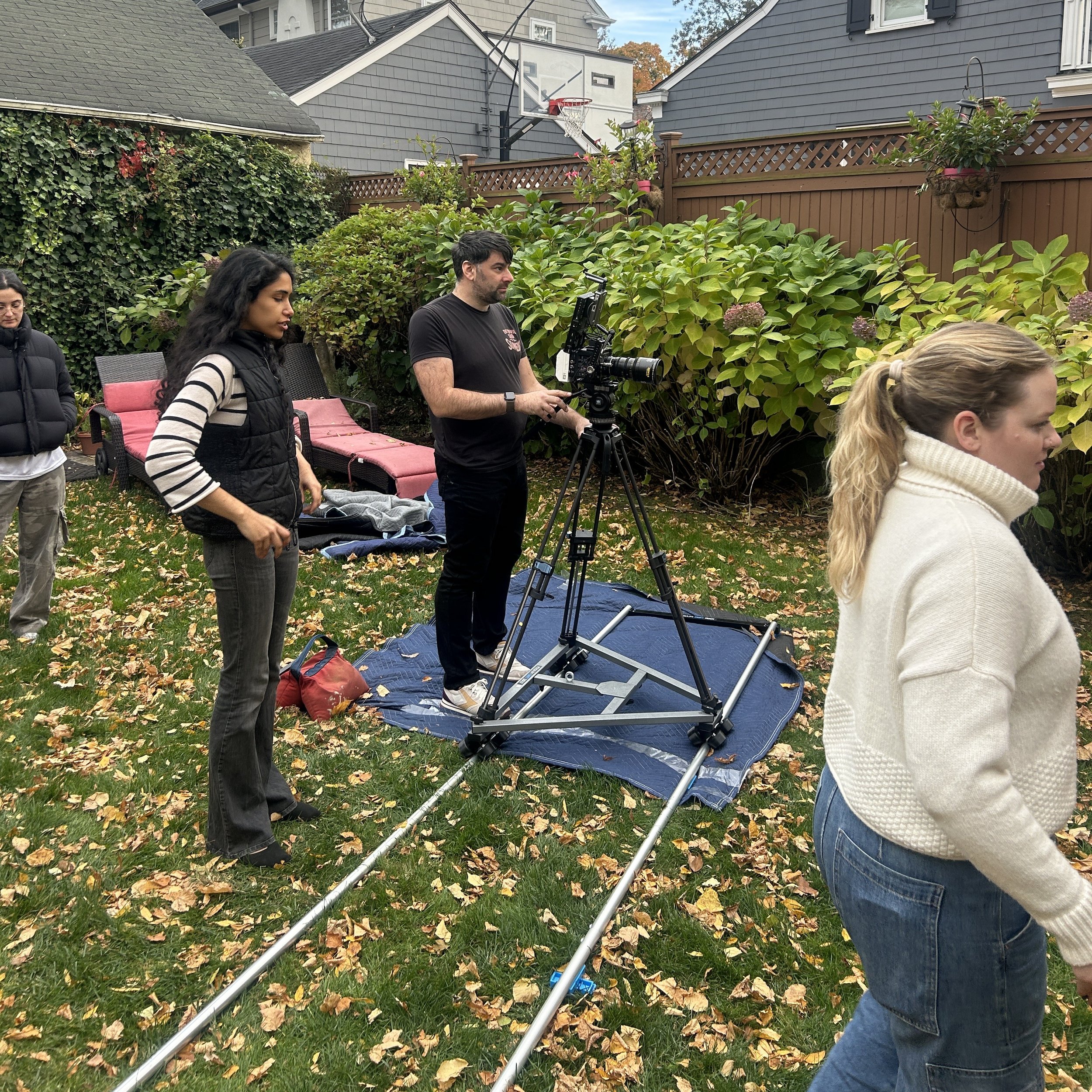
I had a great time working with the crew and talent, especially when it came to setting up and lighting each scene. That said—and I know I’ll catch some flak for this—the final result didn’t fully reflect the level of effort that went into the production. I’m not questioning anyone’s knowledge, experience, or talent, but the approved final cut didn’t align with my own expectations of a high-quality end product.
I honestly felt like I could have achieved a stronger result on my own. I know that can sound egotistical or arrogant, but it’s a perspective shaped by years of shooting commercial work at various budget levels.
From my experience, this would have been a fairly straightforward shoot, and sometimes having too many decision-makers can dilute the outcome. In this case, the process felt heavier than the result warranted—too many cooks in the kitchen, and too many meetings for what should have been a simple execution.
Just my opinion, based on my experience.
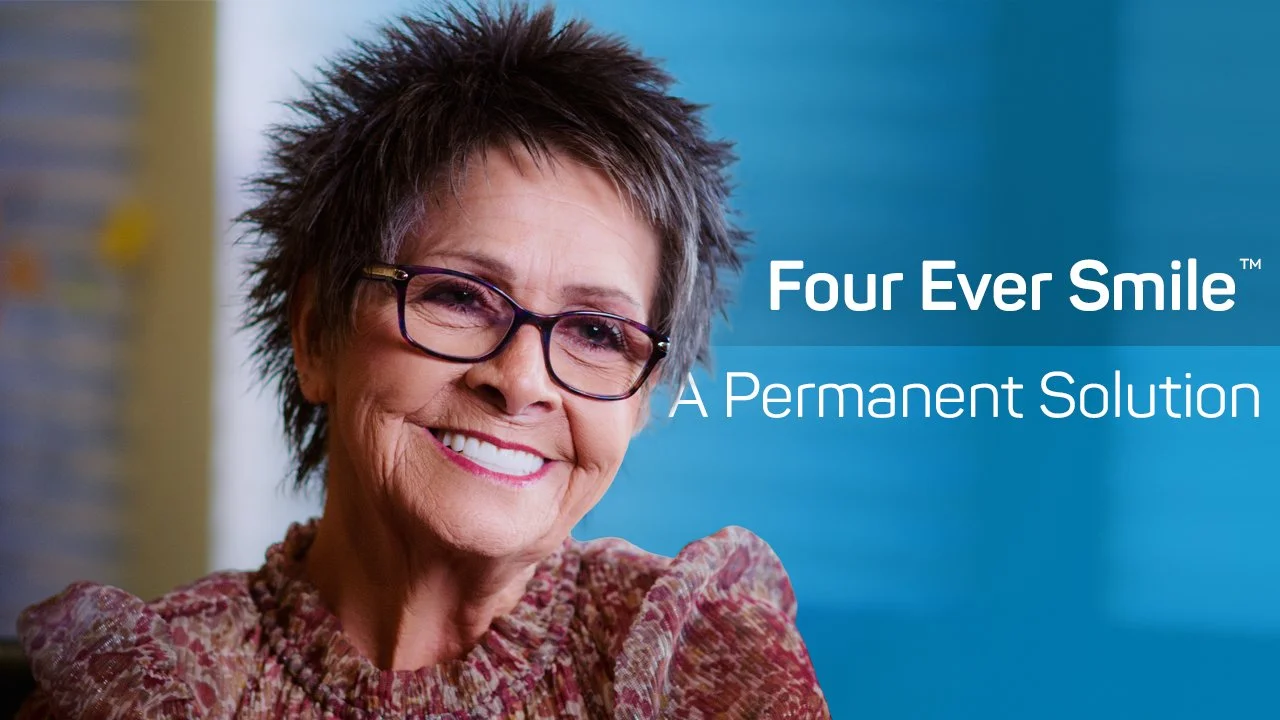
The week after the KFC shoot, I produced another commercial for Four Ever Smile featuring Eileen, who had the procedure the year prior. I filmed B-roll in her apartment, which wasn’t visually remarkable on its own, so I leaned into post-production to add some visual interest. From setup to interview, B-roll, and breakdown, I was in and out in about two hours.
That spot was recently approved for Hulu, Optimum, and Paramount Network, and it will be streaming through January 2026. Not to toot my own horn, but the contrast stood out to me: one project involved a team of ten-plus people at a multibillion-dollar company to produce a single social post, while the other was a broadcast and streaming commercial produced by one person.